
Born intersex. Prescribed surgery. Refused funding.
Doctors assessed me, reviewed my case and called this care medically necessary. Every funding route in South Africa closed anyway.
- $45,000
- Full cost of care
- 100%
- To medical costs
- 0
- Funders who said yes
Fund care that was recommended and refused
I am an intersex and transgender woman in South Africa. Qualified clinicians assessed me, reviewed me and concluded that this care is medically necessary. No funder would carry it.
- Cost of care
- $45,000
- Goes to medical costs
- 100%
Secure Stripe checkout · Every invoice published

“As an intersex person, I never had the chance to take part in decisions about my own body. I am asking for that chance now.”
Growing up, I was expected to live according to a sex and gender role that did not reflect my identity or my experience. Medical interventions and decisions made during my childhood and adolescence caused lasting emotional distress and confusion rather than resolving anything.
Those years deepened my isolation and dysphoria, and they made it harder to obtain appropriate healthcare later in life. What I am asking for now is not cosmetic and it is not a preference. It is care that qualified professionals have repeatedly recognised as medically necessary.
$45,000, broken down in public.
I am raising funds to cover the costs of my gender-affirming surgery and the related medical expenses. Nothing here goes to advertising, admin or anything outside my care, and every invoice is published on the updates page as it is paid.
- $26,000
Surgical fees
The procedure itself, the surgeon and the theatre time. This is the part I was unable to obtain funding for, despite the recommendation of my treating professionals.
- $9,000
Anaesthesia and hospital stay
The anaesthetist and the nights in a ward, so the surgery happens safely and with proper monitoring.
- $6,500
Recovery care
Dressings, medication, nursing support and the weeks afterwards when I will not be able to work.
- $3,500
Follow up and related expenses
Post-operative appointments, travel to the clinic and the related medical costs that come with the treatment.
If more comes in than I need, the surplus goes to other intersex and transgender people who have been refused the same care. That is a promise, not a plan.
Years
spent following the proper medical pathways
Multiple
specialists who found this care medically necessary
No funding
obtained for the treatment they recommended

How medically necessary care became my problem to fund
- 1
Assessment
Psychological assessments and specialist consultations, completed in full over several years.
- 2
Recommendation
Multidisciplinary review concluded that gender-affirming surgery is medically necessary for my wellbeing.
- 3
Refusal
I was unable to obtain funding or access to the recommended treatment, and met repeated barriers instead.
- 4
This fundraiser
With no pathway left, the cost falls to me. Contributions are the only route to the care I was recommended.
The challenge was never a single procedure
Throughout my life I have experienced discrimination, exclusion and unequal treatment because I am transgender and intersex. The result is that I have been left unable to access medical care and protection on an equal basis with others.
Recognised pathways, followed in full
Psychological assessments, specialist consultations and multidisciplinary review. The conclusion of my treating healthcare professionals was that gender-affirming surgery is medically necessary and would significantly improve my wellbeing and quality of life.
Barriers instead of care
Despite that conclusion, I was unable to obtain funding or access to the recommended treatment. What I met instead were repeated refusals, delays and unequal treatment.
A cost that spreads
Discrimination and exclusion have affected my access to healthcare, employment, safety and support. That is why obtaining this care has become financially impossible without help.
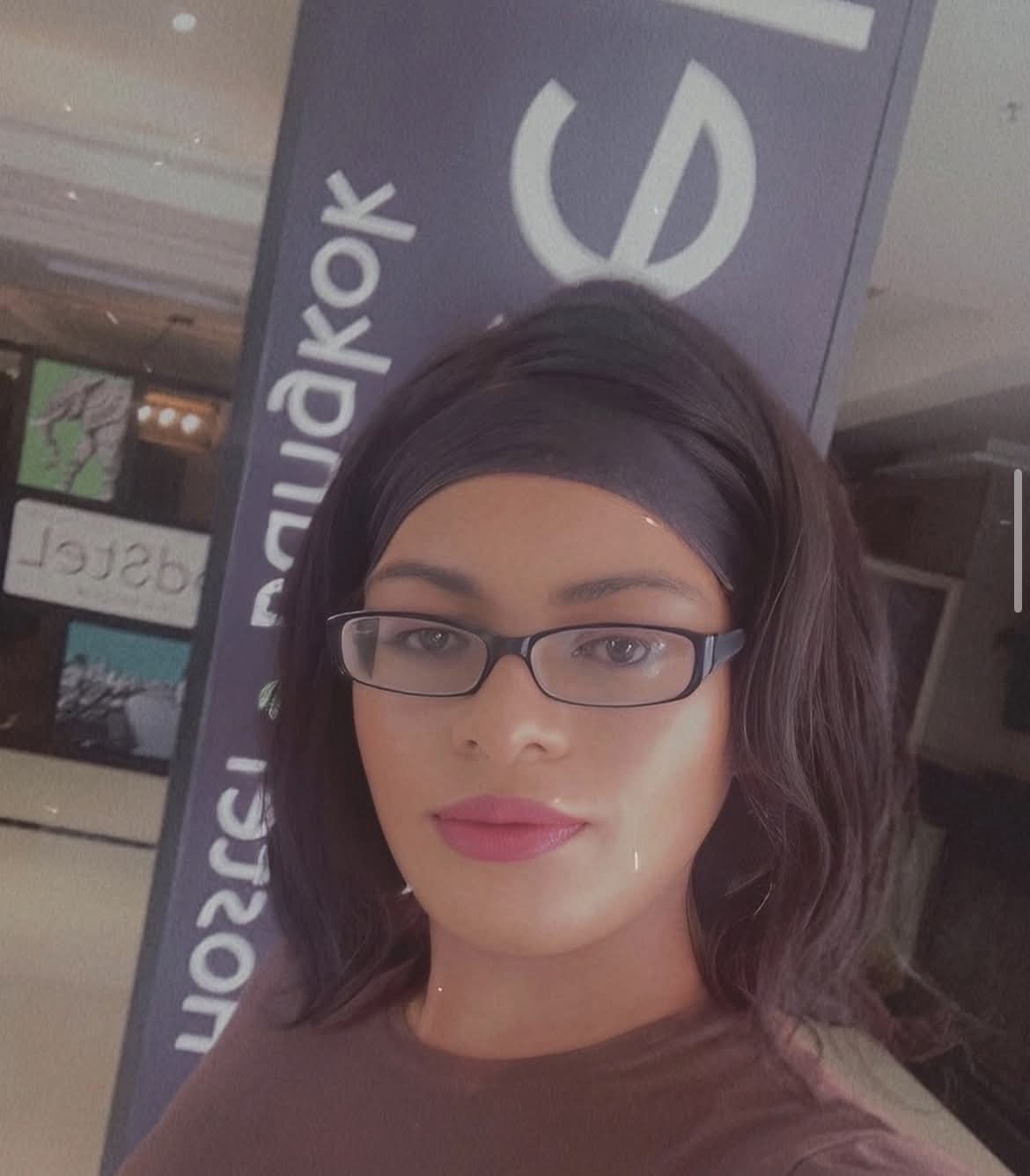
If you read only one line, read this one.
This is not a debate about who I am. I am intersex. Decisions were made about my body before I could take part in them, and the corrective care my clinicians later prescribed was assessed, reviewed and then refused funding. Every contribution, regardless of size, brings that treatment closer.
Give what you can$45,000 covers the full cost of care. Most people give $25. It takes less than a minute.
- Three steps
- Choose an amount, add an optional note, pay by card.
- No account needed
- Card payments run through Stripe. No sign up, no stored details.
- Nothing hidden
- Every invoice paid from this fund is published on the updates page.